Specification review
Define application, material route, dimensions, tolerance, service target and destination-market requirements.

Sustainability and procurement evidence
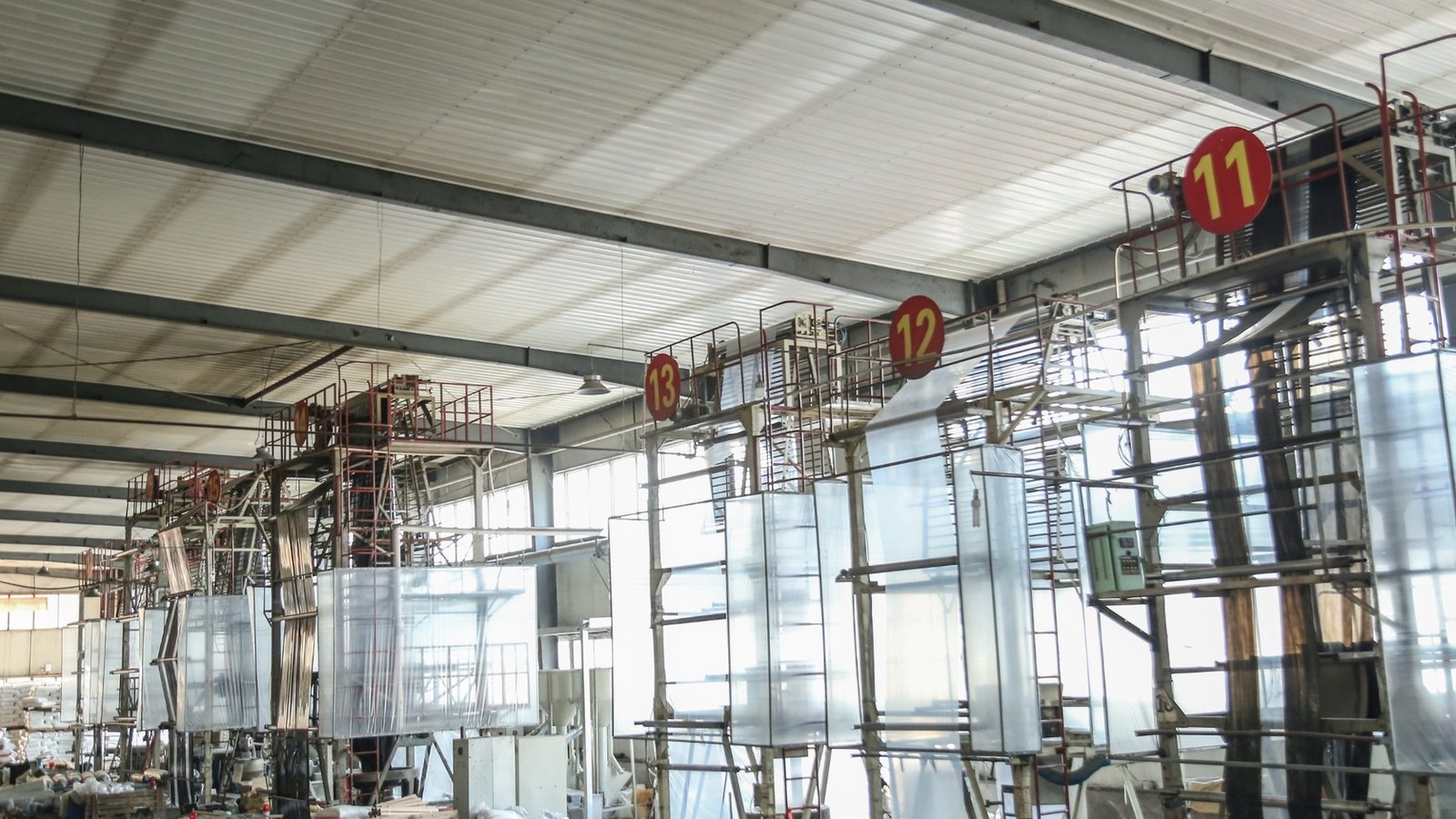
Review the management certificate, material routes, production controls and order-specific records available for B2B plastic film projects. Product claims remain tied to the approved specification and supporting evidence.
For a commercial order, the responsible route is the one that meets the required performance with a defined material, controlled dimensions and evidence that supports the buyer's intended claim.
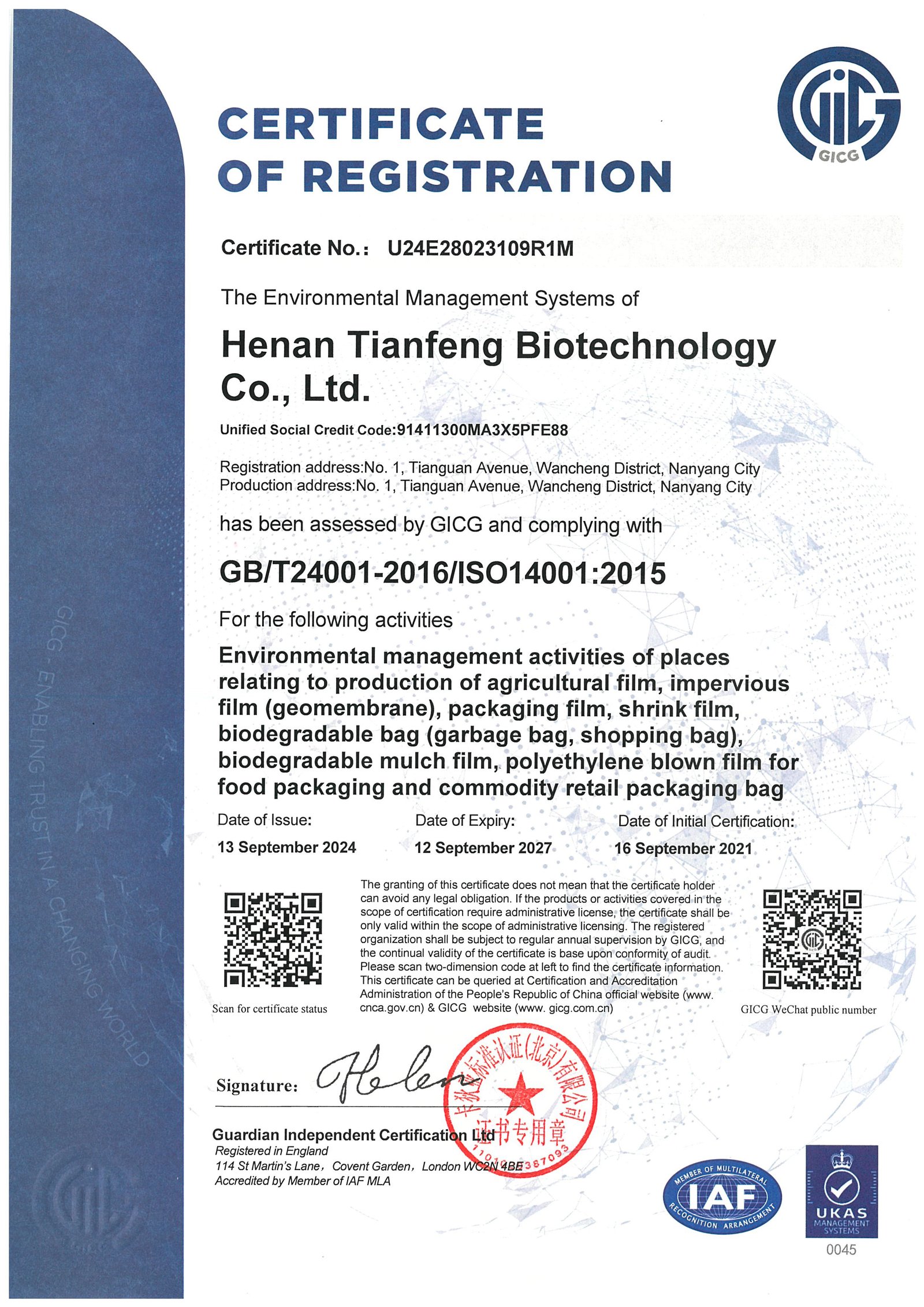
The displayed environmental management certificate identifies the legal entity, certified production scope, issuing body and stated validity period. It supports review of the certified management system; it is not a product-specific environmental test report.
Environmental language does not replace a technical specification. Production feasibility, film performance and the evidence package should be reviewed together before the purchase order is released.
Define application, material route, dimensions, tolerance, service target and destination-market requirements.
Separate virgin PE, recycled PE and biodegradable formulations. A trade name alone is not a complete material specification.
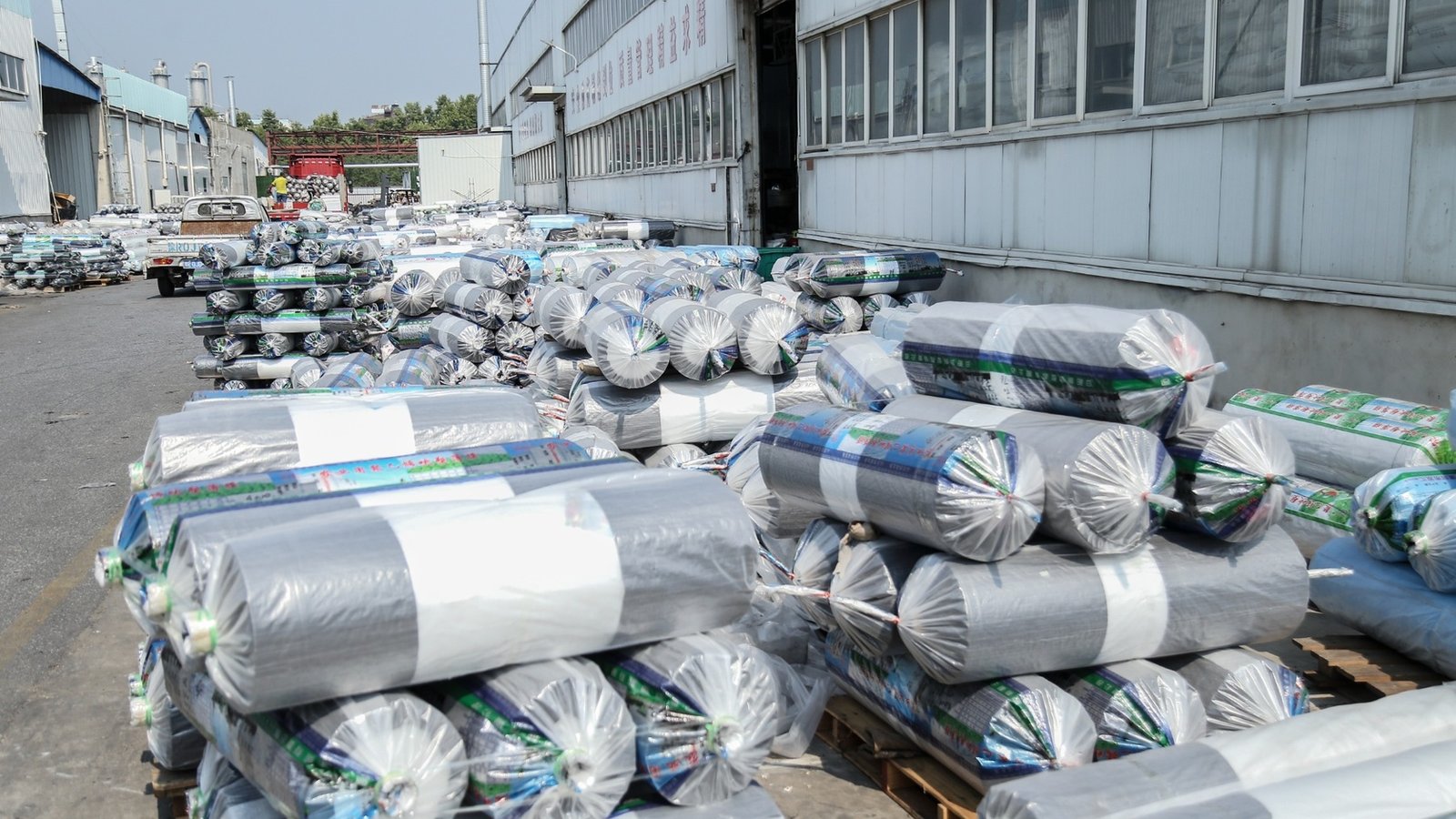
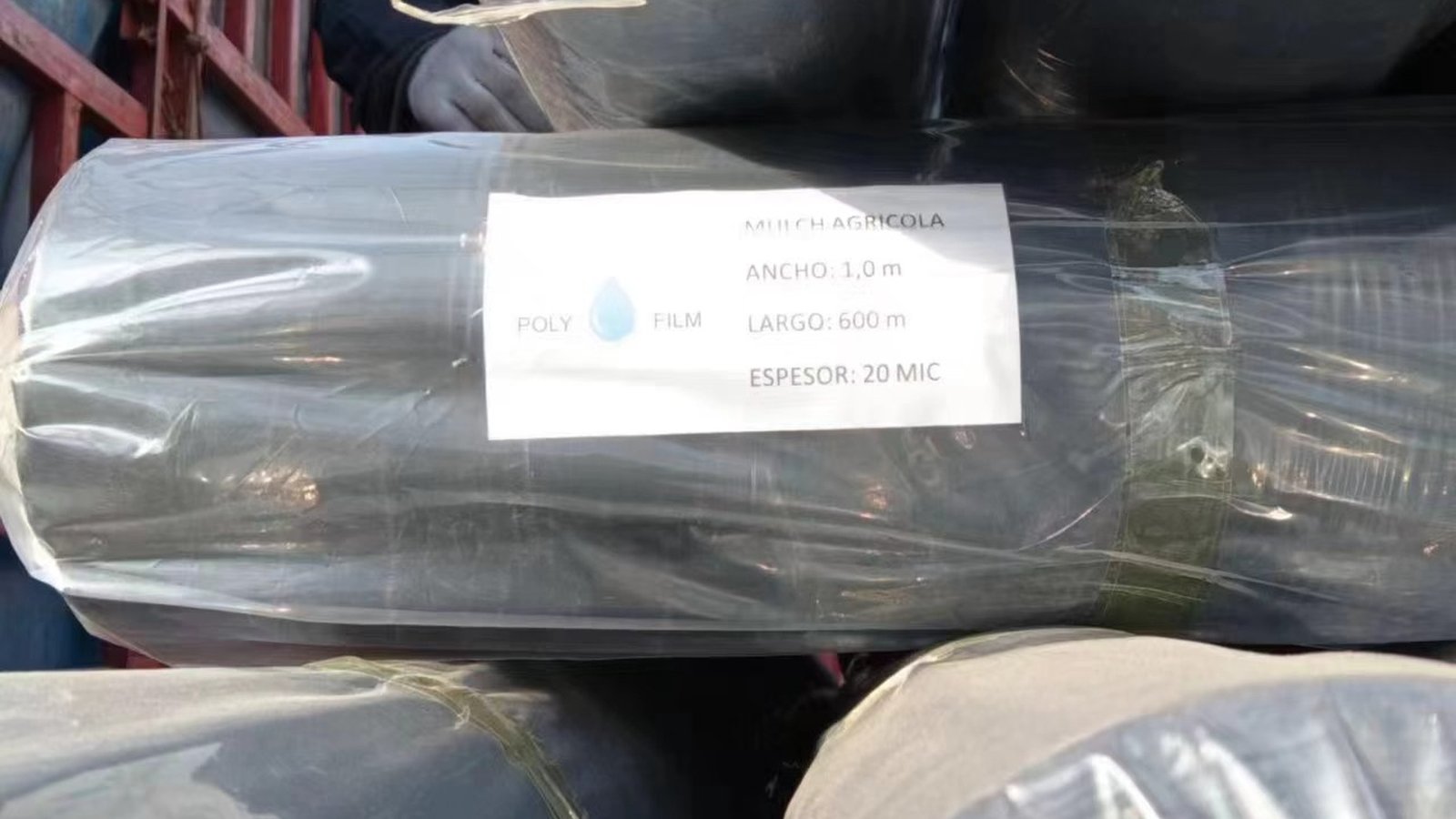
Check the agreed thickness, finished width, appearance and roll format during production and final inspection.
Match labels, packing, inspection records and order-specific declarations to the approved specification.
Select a route to see the procurement logic. Final availability and documentation depend on the approved product specification.
A practical route when optical properties, strength, additive compatibility or service performance are the primary requirements. It should not be described as environmentally preferable without a supported comparison.
Document availability is not universal across every product. Add the required evidence to the RFQ and confirm it before production.
| Document | Status | What it supports | Procurement action |
|---|---|---|---|
| ISO 14001 certificate | Available | Factory-level environmental management system and certified scope. | Review the legal entity, certificate number, issuer and validity. |
| Approved product specification | Order specific | Material route, dimensions, functions, tolerances and packing. | Approve before the purchase order is released. |
| TDS or technical data | Order specific | Declared technical properties for the selected product. | Confirm the test method and whether values are typical or guaranteed. |
| Recycled-content evidence | Confirm first | The stated recycled input and its basis. | State the required percentage, source definition and verification method. |
| Biodegradation test report | Confirm first | Performance against a named test method or standard. | Identify the destination-market standard and intended application. |
| Inspection and packing record | By agreement | Order release checks, labels and packing configuration. | List required inspection points and files in the RFQ. |
A product attribute, a factory management certificate and a market-level recyclability claim are different forms of evidence. Keep them separate.
The standard status is checked against the official ISO record. For claims intended for the United States, the FTC Green Guides explain why broad environmental benefit, recycled-content, recyclability, biodegradability and source-reduction statements require clear qualifications and substantiation. Destination-market requirements should be reviewed separately.
Use this checklist before requesting a final quotation. It reduces incomparable offers and identifies missing evidence early.
Complete all six inputs to continue.
No. Certification to ISO 14001 relates to an organization's environmental management system and the activities within the certified scope; it does not certify an individual film product. The displayed certificate was issued against the 2015 edition. ISO 14001:2026 is now current, so buyers requiring current certification status should also confirm the applicable transition arrangement with the certification body.
No. The recycled material source, percentage, color, odor, mechanical performance and regulatory requirements must match the application. TIAN FENG currently positions recycled PE film for eligible industrial and non-food secondary uses.
They can reduce unnecessary film area or over-specification when the finished width, length and thickness are calculated correctly. Any quantified reduction must use a defined baseline and preserve required performance.
Confirm the formulation, intended crop cycle, storage conditions, mechanical requirements, destination-market standard, test method and supporting report before treating the product as biodegradable or compostable.
Provide the application, destination, material route, dimensions, tolerance, required properties, intended environmental claim, packing, quantity and documents required before shipment.
Request a document review
The technical team can review the material route, manufacturing feasibility and document requirements against the intended application.